
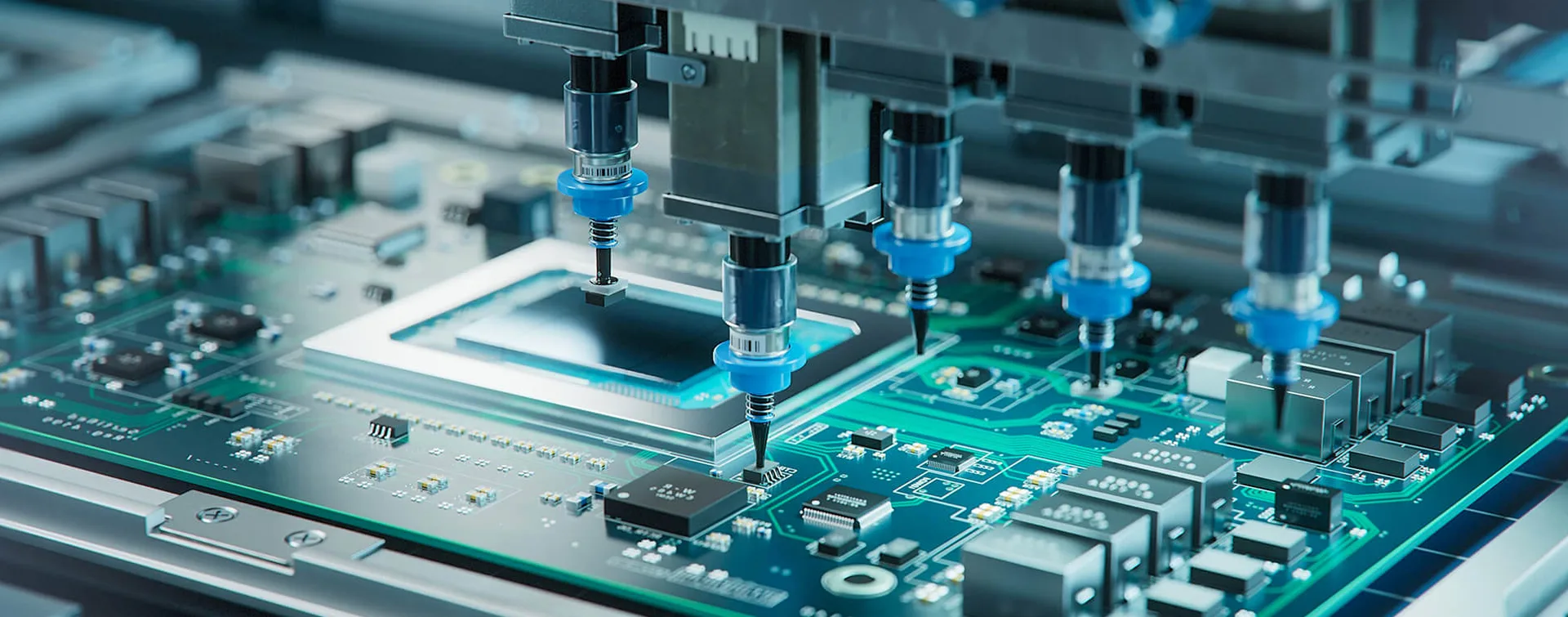


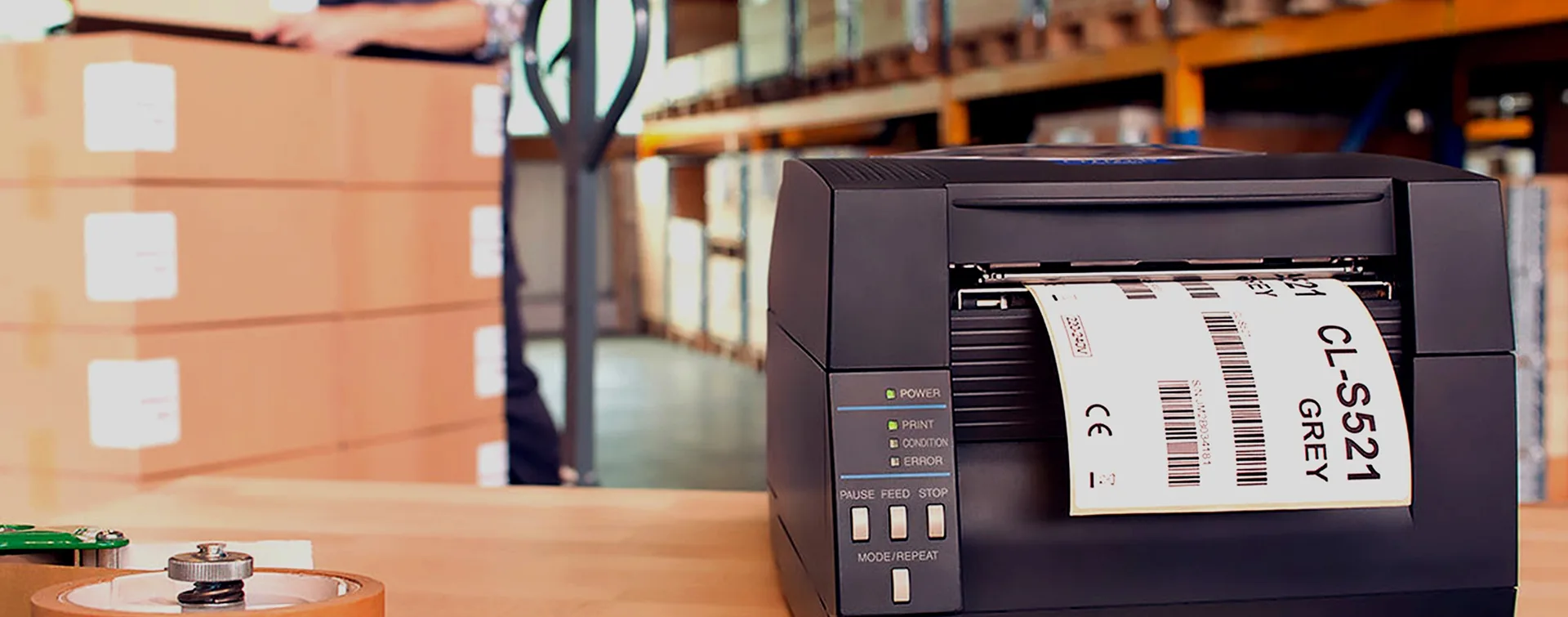


Enterprise Resource Planning (ERP)
Custom solutions to integrate and streamline your operations
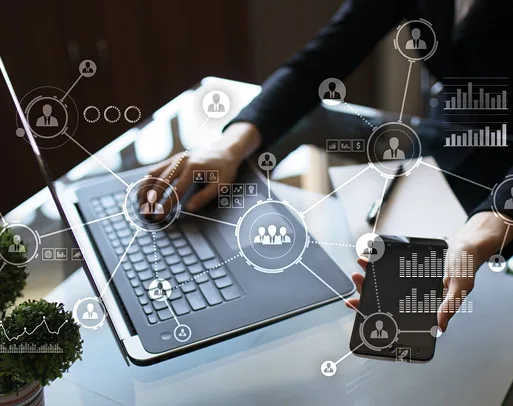
HRMS & Payroll Systems
Efficient tools to manage and support your workforce
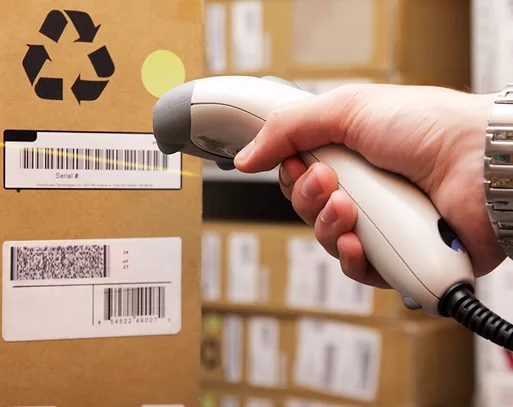
Others complimentary System
Barcode system, Mobile App
Why Choose Us
01
Industry-Specific Expertise
02
In-House R&D Team
Our dedicated research and development team ensures continuous innovation and customization to meet your evolving needs.
03
Exceptional Customer Support
Beyond delivering software, we offer dedicated, hands-on support to ensure smooth ERP implementation and ongoing success.
04
Future-Ready Solutions
Our ERP systems are built with scalability and flexibility in mind, enabling your business to adapt and grow seamlessly.
05
Proven Track Record
Trusted by numerous businesses for our reliability and expertise, we have built a reputation for delivering value-driven solutions and operational excellence.
Our Solutions
 Panna XERM.Mfg
A web-based solution for discrete manufacturing, ideal for assembly, job tracking, and metal fabrication. It enables real-time tracking across departments, boosting productivity, quality, and customer satisfaction.
 Panna XERM.Trade
A comprehensive web solution for the trading industry. Panna XERM.mini caters to B2B users with a simplified package, while XERM.Trade helps businesses navigate market challenges, make quick decisions, and optimize costs.
 Panna HRMS
A powerful HR management tool that streamlines time, attendance, and overtime tracking, enhancing collaboration across multiple companies or locations.
 Panna Mobile
A smart mobile app for sales teams, providing real-time access to customer records, balances, and stock status to improve sales performance and customer relations.
 Panna Barcode
A smartphone-based barcode scanning system that optimizes warehouse operations with real-time stock updates, improving efficiency and control.
Frequently Asked Questions (FAQs)
1. What is an ERP system?
ERP (Enterprise Resource Planning) is a business management system that integrates core business processes such as sales fulfillment, procurement, inventory control, production management, costing, and financial management into a single platform.
By centralizing business data and workflows, ERP helps companies improve operational efficiency, maintain better control, and gain real-time visibility into their business performance.
2. How can an ERP system help SMEs improve business operations?
An ERP system connects core business processes such as sales fulfillment, procurement, inventory control, production management, costing, and financial management within one integrated platform.
This allows SMEs to track operations in real time, eliminate duplicate data entry across departments, reduce manual processes, and improve coordination for faster and more informed decision-making.
3. How is ERP different from accounting software?
While accounting software focuses mainly on financial recording and reporting, ERP is designed to support both operational integration and management control.
A well-designed ERP system not only connects key business functions, but also provides a stronger control framework through role-based access, approval workflows, budget monitoring, security controls, and audit trails, helping businesses operate with greater transparency and accountability.
4. Is an ERP system suitable for small and medium-sized enterprises (SMEs)?
Yes. Many ERP systems are designed specifically for SMEs and provide modular solutions such as Sales & Distribution, Warehouse Management, Inventory Control, Shop Floor Control, and Financial Management, allowing businesses to start with essential modules and expand as they grow.
ERP helps companies standardize business processes, improve financial visibility, and manage resources more efficiently without requiring large enterprise-level infrastructure.
5. What should fast-growing SMEs consider when choosing an ERP system?
Fast-growing SMEs should look for an ERP system that supports their core business processes, including sales fulfillment, inventory control, procurement, production management, costing, and financial accounting.
The system should be scalable, user-friendly, and supported by reliable implementation services so it can grow together with the business.
6. Why should SMEs choose web-based ERP systems?
Web-based ERP systems allow users to access real-time business information anytime through a web browser. Whether deployed on-premise or in the cloud, the system is not restricted to a specific computer, allowing managers and staff to stay connected through laptops, tablets, or mobile devices.
This enables managers and staff to access updated information from laptops, tablets, or mobile devices anytime and anywhere, with critical business data always at their fingertips, supporting faster decision-making and remote operational support.
7. Can an ERP system integrate with other business platforms?
Yes. Modern ERP systems are built with open architecture and API capabilities, enabling secure integration with other platforms such as Barcode system, CRM, POS, e-commerce, and supply chain systems.
This allows businesses to create a seamless digital ecosystem, where data flows automatically between systems, improving efficiency, accuracy, and overall operational visibility.